November 22, 2024: During morning twilight, the Last Quarter moon is near Leo. During the night, four bright planets – Venus, Saturn, Jupiter, and Mars – are visible.

PODCAST FOR THIS ARTICLE
by Jeffrey L. Hunt
Chicago, Illinois: Sunrise, 6:49 a.m. CDT; Sunset, 4:24 p.m. CST. Check local sources for sunrise and sunset times. Times are calculated by the US Naval Observatory’s MICA computer program.
Four Planets Before Midnight

From sunset until midnight, four bright planets shine brightly. The nightly planet display begins after sunset with brilliant Venus shining in the southwest. The planet’s visual intensity rivals airplane lights.
Saturn is farther eastward, now moving slowly direct or toward the east against Aquarius dim stars. As the sky darkens, the planet is less than halfway up in the south.
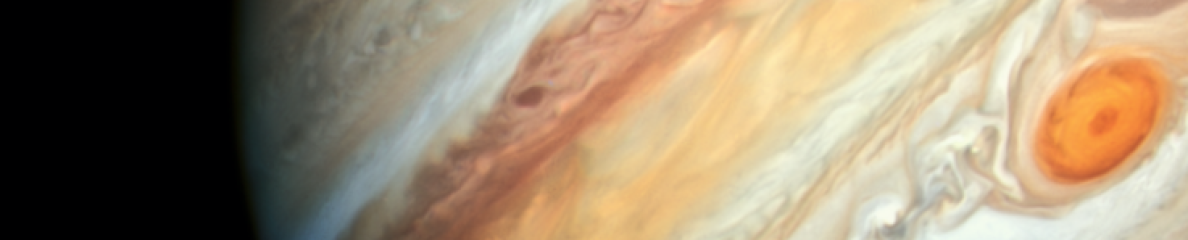
Jupiter, heading toward opposition next month, rises in the east-northeast less than an hour after sunset. Within 30 minutes, The Evening Star is low in the southwest, while Jupiter is in the east-northeast. Venus sets 160 minutes after sunset.
Mars is the last planet to appear, over four hours after sundown, and less that three hours after Jupiter rises.
As the calendar day ends, Mars is less than halfway up in the east; Jupiter is high in the southeast; and Saturn hides in the atmosphere near the horizon. The Ringed Wonder is not bright enough to shine through the atmosphere’s blurring effects near the west-southwest horizon.
Today’s Highlight

An hour before sunrise, the slightly gibbous moon, 56% illuminated, is high in the southern sky. The lunar orb is half-full or Last Quarter at 7:28 p.m. Central Time.
This morning the moon is 6.3° to Regulus’ upper right, Leo’s brightest star. With the moonlight, look carefully for the star or use a binocular.
Regulus is at the bottom of a question backwards mark, that outlines Leo’s head. The Lion’s haunches and tail, Denebola, are marked by a triangle to the east of the head.
RECENT PODCASTS
LATEST ARTICLES
- 2026, May 20: Waxing Crescent Moon Near Jupiter as Venus Brightens the Evening Sky
 May 20, 2026: See the waxing crescent moon near Jupiter after sunset while brilliant Venus shines in the west-northwest. Saturn climbs higher before sunrise as Mercury moves into the evening sky.
 - 2026, May 19: Crescent Moon Between Venus and Jupiter After Sunset
 May 19, 2026: See the crescent moon between brilliant Venus and Jupiter after sunset while Saturn climbs higher in the eastern sky before sunrise. Learn where and when to look.
 - 2026, May 18: Closest Venus–Moon Conjunction of the Evening Apparition Lights the Western Sky
 May 18, 2026: See the closest Venus–Moon conjunction of this evening apparition as brilliant Venus shines beside the crescent moon after sunset. Learn when and where to look.
 - 2026, May 17-20: Waxing Crescent Moon Passes Venus and Jupiter in May Evening Sky
 May 17-20, 2026: Watch the waxing crescent moon pass brilliant Venus and Jupiter after sunset. The May 18 Venus–Moon pairing is one of the prettiest sights of the planet’s 2026 evening apparition.
 - 2026, May 16: Three Bright Planets are in the Nighttime Sky as Venus Closes in on Jupiter
 May 16, 2026: Saturn emerges from morning twilight while brilliant Venus advances toward Jupiter after sunset. Learn where to find the bright planets.