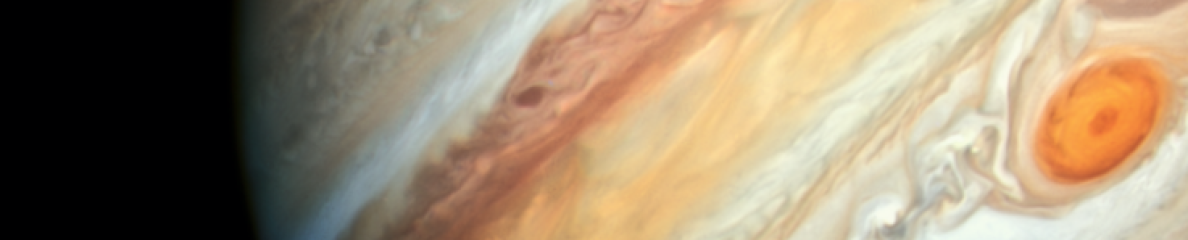
October 2, 2025: The five-planet display is breaking apart. Venus and Jupiter gleam in the eastern sky during twilight, while Saturn and Neptune fade into the horizon’s haze under the Harvest Moon.

by Jeffrey L. Hunt
Chicago, Illinois: Sunrise, 6:49 a.m. CDT; Sunset, 6:30 p.m. CDT. Times are calculated by the US Naval Observatory’s MICA computer program. Check local sources for sunrise and sunset times.
Related Articles
Venus Summary Article

The five-planet morning display is drawing to a close. Saturn and Neptune are disappearing behind the blurring and dimming effects of Earth’s atmosphere near the horizon. The display is not fully complete until Saturn sets before Venus rises in a few weeks. For now, at two hours before sunrise, Jupiter, Uranus, Neptune, and Saturn are in the sky. As twilight brightens, Venus joins Jupiter in the east.
The Moon and Planets – Forecast for Today
Moon

- Moon: Approaching the first Full moon of autumn, known this year as the Harvest Moon, the lunar orb, 19% illuminated, is over 20° above the south-southeast horizon, 8.3° to the right of Deneb Kaitos, Capricornus’ tail. The moon appears farther westward during the night, setting over four hours before tomorrow’s sunrise. After moonset, Uranus and Neptune are visible with optical assistance.
Inner Planets

- Mercury: The speedy planet emerges from bright evening twilight, setting only 30 minutes after sunset. This appearance is disappointing as it reaches its farthest separation from the sun on October 29th.

- Venus: The bright Morning Star continues its retreat toward superior conjunction on the far side of the sun at the beginning of the new year. Today, it rises two hours before daybreak, losing about two minutes of rising time compared to sunrise. By mid-twilight, about 45 minutes before sunrise, Venus is less than 15° above the eastern horizon and nearly 16° to Regulus’ lower left, Leo’s brightest star.

Outer Planets
- Mars: The Red Planet is lost in western evening twilight as it moves toward its solar conjunction next year.

- Jupiter: The Jovian Giant shines brightly to Venus’ upper right during morning twilight. Rising nearly six hours before sunrise, it rambles eastward in front of Gemini, 6.7° to Pollux’s lower right, one of the Twins. As the second brightest starlike body, it is high in the east-southeast at mid-twilight.

- Saturn: The Ringed Wonder is in the sky nearly all night. As darkness falls, it is in the east-southeast, to the moon’s lower left.
Distant Planets

- Uranus: Fairly easy to spot through a binocular near the Pleiades star cluster, Uranus is high in the southern sky as morning twilight begins. In the binocular field, Uranus, appearing as an aquamarine star, is about the same brightness as stars 13, 14, 32, and 37 Tauri (Tau).

- Neptune: The most distant planet in the modern solar system model appears near Saturn. A very challenging view through a binocular, it looks like a bluish star in the field. Look during the next few mornings before the bright Harvest Moon washes out the view.
- Pluto: In the classic solar system model, Pluto is the most distant and ninth planet. Reclassified as a dwarf planet in 2006 by the International Astronomical Union – the organization that classifies astronomical objects – it is about 15° west of the moon. Even with a large telescope, the moon washes out the view.
Look for the bright planets and moon during the nighttime hours. Venus and Jupiter gleam during morning twilight, while Saturn is easy to locate after sundown. The moon is beginning to interfere with the visibilities of Uranus and Neptune.