September 21, 2024: Venus, Mars, Jupiter, and Saturn are easily visible during nighttime hours. The moon moves eastward toward the Pleiades star cluster.

by Jeffrey L. Hunt
Chicago, Illinois: Sunrise, 6:38 a.m. CDT; Sunset, 6:49 p.m. CDT. Check local sources for sunrise and sunset times. Times are calculated by the US Naval Observatory’s MICA computer program.
Here is the planet forecast:
Morning Sky
Morning Gibbous Moon

An hour before sunrise, the bright gibbous moon, 85% illuminated, is high in the west-southwest, 10° to Hamal’s upper left, Aries’ brightest star.
The moon is approaching the Pleiades star cluster, over 15° to its upper left, although moonlight washes out the bright cluster members.
Nightly Planets

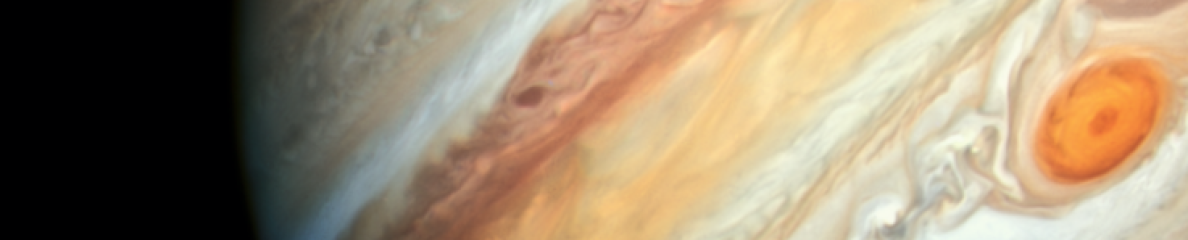
At this time, Jupiter is the bright star high in the southeast. It plods eastward in front of Taurus., 6.4° to Elnath’s lower right, the Bull’s northern horn. The Jovian Giant stops moving eastward and begins the illusion of retrograde on October 9th, 6.3° from Elnath. There is no conjunction and it does not move between the horns.
After Jupiter resumes its eastward trek, it passes Elnath on May 7, 2025. It moves between the horns eight nights later before it disappears into evening twilight.
Mars, noticeably dimmer than Jupiter, is nearly 20° to the Jovian Giant’s lower left. It marches eastward in front of Gemini, over 14° to the right of Castor and Pollux, the Twins.
Mercury
Mercury, still west of the sun, rises 43 minutes before sunup, but it is immersed in bright morning light.
Evening Sky
Venus

Venus is visible 30 minutes after nightfall through brighter evening twilight, over 5° above the west-southwest horizon. Along with the sun, moon, and Jupiter, Venus can be seen near the horizon during brighter twilight.
While those bodies mentioned are dimmed and blurred by the atmosphere near the horizon, other celestial bodies are not visible by the air’s effects.
Saturn

As Venus appears lower and the sky darkens, find it along with Saturn in the east-southeast. The Ringed Wonder is over 15° above the horizon at one hour after sundown.
Late-Night Moon and Jupiter

The moon rises later each evening, tonight nearly two hours after sundown. Two hours later, it is over 20° above the east-northeast horizon. The lunar orb is 3.7° to the upper right of the Pleiades, mostly washed out by the bright moonlight. Use a binocular to see them.
Tomorrow morning, the moon occults or eclipses the brightest Pleiad, Alcyone, for sky watchers in western North America and Hawaii.
At this hour Taurus is appearing above the horizon. The Bull’s brightest star, Aldebaran, is over 5° above the horizon. Jupiter is at the horizon. It is visible with a clear view in its direction.
RECENT PODCASTS
LATEST ARTICLES
- 2026, May 30: Blue Moon Appears with Scorpius While Venus, Jupiter, and Mercury Line Up
 May 30, 2026: A seasonal Blue Moon shines near Antares in Scorpius while Venus, Jupiter, and Mercury form a bright evening lineup in the western sky after sunset.
 - 2026, May 28-31: Blue Moon Passes Libra and Scorpius Near Antares
 May 28-31, 2026: The seasonal Blue Moon passes Libra and Scorpius during late May, appearing near Antares while bright moonlight spreads across the evening sky.
 - 2026, May 25-27: Waxing Gibbous Moon Passes Spica While Venus Closes Gap to Jupiter
 May 25-27, 2026: Watch the waxing gibbous moon pass Spica in Virgo while Venus steadily overtakes Jupiter in the western evening sky before their June 9 conjunction.
 - 2026, May 23-29: Venus Overtakes Jupiter During May Evening Sky Display
 May 23-29, 2026: Watch Venus rapidly close the gap to Jupiter with Gemini during late May evenings. Follow the bright planets past Pollux, Alhena, Mebsuta, and other notable Gemini stars.
 - 2026, May 22-24: Waxing Moon Passes Leo While Venus and Jupiter Shine After Sunset
 May 22-24, 2026: Watch the waxing moon move through Leo after sunset while brilliant Venus and Jupiter shine in the western sky. Learn how to find Regulus, Denebola, and the Sickle of Leo.