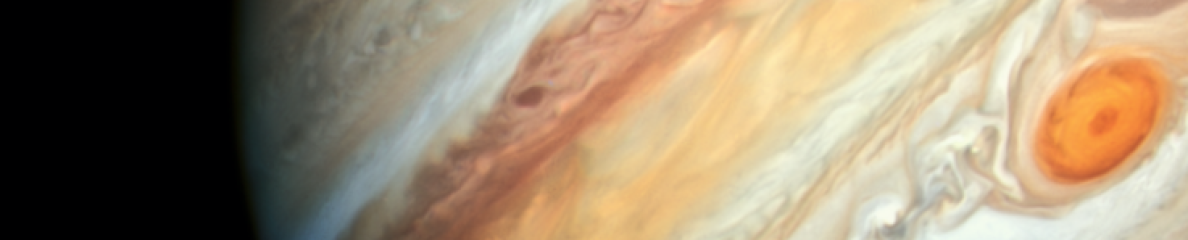
September 20, 2024: During the nighttime hours, the gibbous moon is near Hamal, Aries brightest star. Venus, Mars, Jupiter, and Saturn are visible during the nighttime.

by Jeffrey L. Hunt
Chicago, Illinois: Sunrise, 6:37 a.m. CDT; Sunset, 6:50 p.m. CDT. Check local sources for sunrise and sunset times. Times are calculated by the US Naval Observatory’s MICA computer program.
Here is the planet forecast:
Morning Sky
Moon with Aries

The gibbous moon shines in the sky throughout the night. By an hour before daybreak, the lunar orb, 92% illuminated, is nearly halfway up in the west-southwest, 11.1° to Hamal’s lower left, the brightest star in Aries. The moon shows its easterly motion from morning to morning. This morning it is over 50° west (to the right) of bright Jupiter.
Hamal, meaning “the full-grown lamb,” is nearly 10° above the ecliptic. None of the bright solar system bodies appears near the star. It is not among the 50 brightest stars visible from our planet. It is slightly dimmer than the brightest stars in the Big Dipper.
While not near the ecliptic, Hamal is an important marker to note the planets’ positions, especially Uranus and Neptune, when they are in the same binocular field or Hamal can be referenced to other stars in the field.
Hamal is 75 light years from the solar system and shines with a brightness of about 70 suns.
Jupiter and Mars

Jupiter is the bright star high in the east-southeast. It plods eastward in front of Taurus, 6.5° to the lower right of Elnath, the Bull’s northern horn.
After their conjunction over a month ago, Mars opened a wide gap to Jupiter. Now marching eastward in front of Gemini, the Red Planet is 18.4° to Jupiter’s lower left and over 15° to the right of Castor and Pollux, the Twins. This morning Mars passes 7.0° to the upper left of the star Alhena.
Mercury
Mercury rises 47 minutes before the sun and it is lost in bright morning twilight. It is in conjunction with the sun at month’s end.
Evening Sky
Venus

Venus’ visibility suffers from the solar system’s low angle with the western horizon. The planet is nearly 30° east of the sun, but it is only 6° above the west-southwest horizon at 30 minutes after nightfall. It shines through brighter evening twilight.
Venus displays phases like the moon. Through a telescope, the Venusian phase is 87% illuminated, an evening gibbous phase.
Saturn

Saturn rises about 30 minutes before sundown and by an hour after sundown, it is 15° up in the east-southeast. Saturn is visible at the same time as Venus as the sky darkens. Find a viewing spot to see Venus closer to the horizon and Saturn at the other side of the sky.
Evening Gibbous Moon with Aries

The gibbous moon, 87% illuminated, rises about two hours after the sun. An hour later it is over 15° above the eastern horizon, 8.5° below Hamal.
During the night Saturn and the moon appear farther westward from Earth’s rotation. As the calendar day ends, the moon is nearly halfway up in the east. Saturn is in the south, nearly 45° above the horizon. Jupiter is over 10° up in the east-southeast, nearly 40° to the moon’s lower left.
RECENT PODCASTS
LATEST ARTICLES
- 2026, May 10-13: Moon–Saturn Conjunction, Crescent Moon Guides First Morning View of Saturn
 May 10-13, 2026: On May 13, the crescent moon appears near Saturn before sunrise. Use the moon as a guide to find the Ringed Wonder low in the eastern sky.
 - 2026, May 9: Last Quarter Moon and Evening Planets, Venus Moves Between Taurus’ Horns Toward Jupiter
 May 9, 2026: See the Last Quarter moon before sunrise and track Venus moving between Taurus’ horns as it closes in on Jupiter in the western evening sky.
 - 2026, May 8: Double Moon Shadows on Jupiter: Venus Shines Nearby in Tonight’s Evening Sky
 May 8, 2026: See the shadows of Europa and Ganymede crossing Jupiter’s cloud tops while brilliant Venus shines lower in the western sky after sunset.
 - 2026, May 7: Venus and Jupiter Dominate May Evenings While a Gibbous Moon Visits Sagittarius
 May 7, 2026: Track Venus and Jupiter in the western sky after sundown and find the gibbous moon in front of Sagittarius before sunrise during May evenings.
 - 2026, May 6: Spring Midpoint Sky: Gibbous Moon with Sagittarius, Venus and Jupiter After Sunset
 May 6, 2026: At spring’s midpoint, find the gibbous moon with Sagittarius before sunrise and track Venus overtaking Jupiter in the western evening sky.