September 19, 2024: Four bright planets – Venus, Mars, Jupiter, and Saturn – are on display during the night. The gibbous moon rises later during the evening.

Related articles
- 2024, September 3-7: Crescent Moon Joins Nightly Planet Parade
- 2024, September 7: Saturn at Opposition, Nightly Planet Parade Continues
- 2024, September 8: Mars Passes Star Cluster, See Nightly Planet Parade
by Jeffrey L. Hunt
Chicago, Illinois: Sunrise, 6:36 a.m. CDT; Sunset, 6:52 p.m. CDT. Check local sources for sunrise and sunset times. Times are calculated by the US Naval Observatory’s MICA computer program.
Here is the planet forecast:
Morning Sky
Morning Gibbous Moon

An hour before daybreak, the bright gibbous moon, 98% illuminated, is about 30° above the west-southwest horizon. The moonlight washes across the morning sky creating a veil over the dimmer stars.
Jupiter and Mars

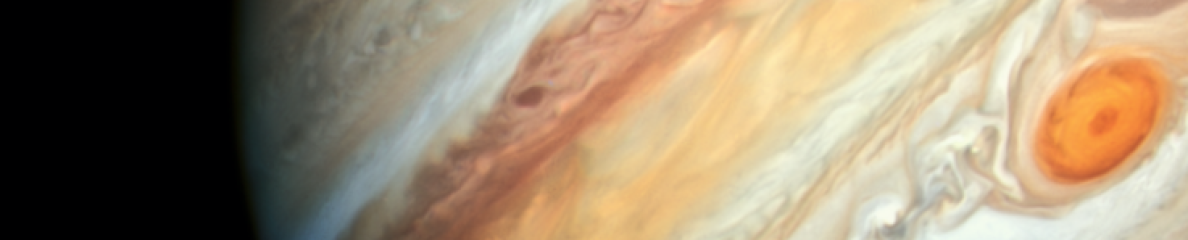
Farther eastward, bright Jupiter is high in the southeast. It is the brightest star in the sky this morning.
The Jovian Giant plods eastward in front of Taurus, between the horns. It is 6.5° to the lower right of Elnath, the northern horn.
Mars, marching eastward in front of Gemini, is over 15° to the upper right of the Twins, Castor and Pollux. Mars passes Alhena, meaning “the brand mark,” tomorrow. This morning the gap between them is 7.2°.
Alhena is the 30th brightest star visible from the mid-northern latitudes. It is the same brightness as Castor. At a distance of 110 light years, the star is nearly 160 times brighter than the sun.
The planets and moon do not pass closely to the star so it does not have the recognition as other brighter stars that are near the ecliptic. Watch the Red Planet pass widely and move away from the star toward a wide conjunction with Castor, then Pollux.
Mercury

Mercury races into morning twilight. At 30 minutes before sunrise, it is less than 4° above the horizon. The planet is bright, but challenging to see at this level of twilight and its low altitude. Mercury passes the sun at month’s end.
Evening Sky
Venus

Venus suffers from a poorly inclined solar system plane after sunset. At 30 minutes after nightfall, the Evening Star shines through evening twilight over 6° above the west-southwest horizon.
Through a binocular, Spica – Virgo’s brightest star – is 3.1° to Venus lower right. Depending on the clarity of the sky, the star is challenging to see and likely the last night to see it until it reappears in the eastern morning sky during early November.
Saturn

Thirty minutes later, Saturn is nearly 15° up in the east-southeast. The Ringed Wonder retrogrades in front of a dim Aquarius’ starfield.

Follow Saturn’s retrograde through a binocular.
Look farther eastward from Saturn for the gibbous moon near the horizon. An hour later, it is over 10° above the eastern horizon, over 40° to Saturn’s lower left.
During the night Saturn and the moon appear farther westward. Saturn sets several minutes before sunrise, while the gibbous moon is in the west-southwestern sky.
RECENT PODCASTS
LATEST ARTICLES
- 2026, May 16: Three Bright Planets are in the Nighttime Sky as Venus Closes in on Jupiter
 May 16, 2026: Saturn emerges from morning twilight while brilliant Venus advances toward Jupiter after sunset. Learn where to find the bright planets.
 - 2026, May 15: Venus Closes the Gap to Jupiter While Saturn Emerges Before Sunrise
 May 15, 2026: Saturn emerges from bright morning twilight near a thin crescent moon, while Venus moves eastward between Taurus’ horns and closes in on Jupiter after sunset.
 - 2026, May 14: Venus Closes in on Jupiter While a Crescent Moon Guides Saturn Before Sunrise
 May 14, 2026: A waning crescent moon points to Saturn before sunrise, while Venus moves past Taurus’ horns and closes the gap to Jupiter in the evening sky.
 - 2026, May 13: Crescent Moon Meets Saturn Before Sunrise While Venus Passes Taurus’ Horns Toward Jupiter
 May 13, 2026: A thin crescent moon guides Saturn’s first morning appearance, while Venus passes between Taurus’ horns and closes in on Jupiter in the evening sky.
 - 2026, May 12: Saturn Returns before Sunrise, Crescent Moon Guides the Ringed Planet While Venus Targets Jupiter
 May 12, 2026: Saturn makes its first morning appearance as a crescent moon guides the way before sunrise, while Venus moves between Taurus’ horns toward Jupiter after sunset.